
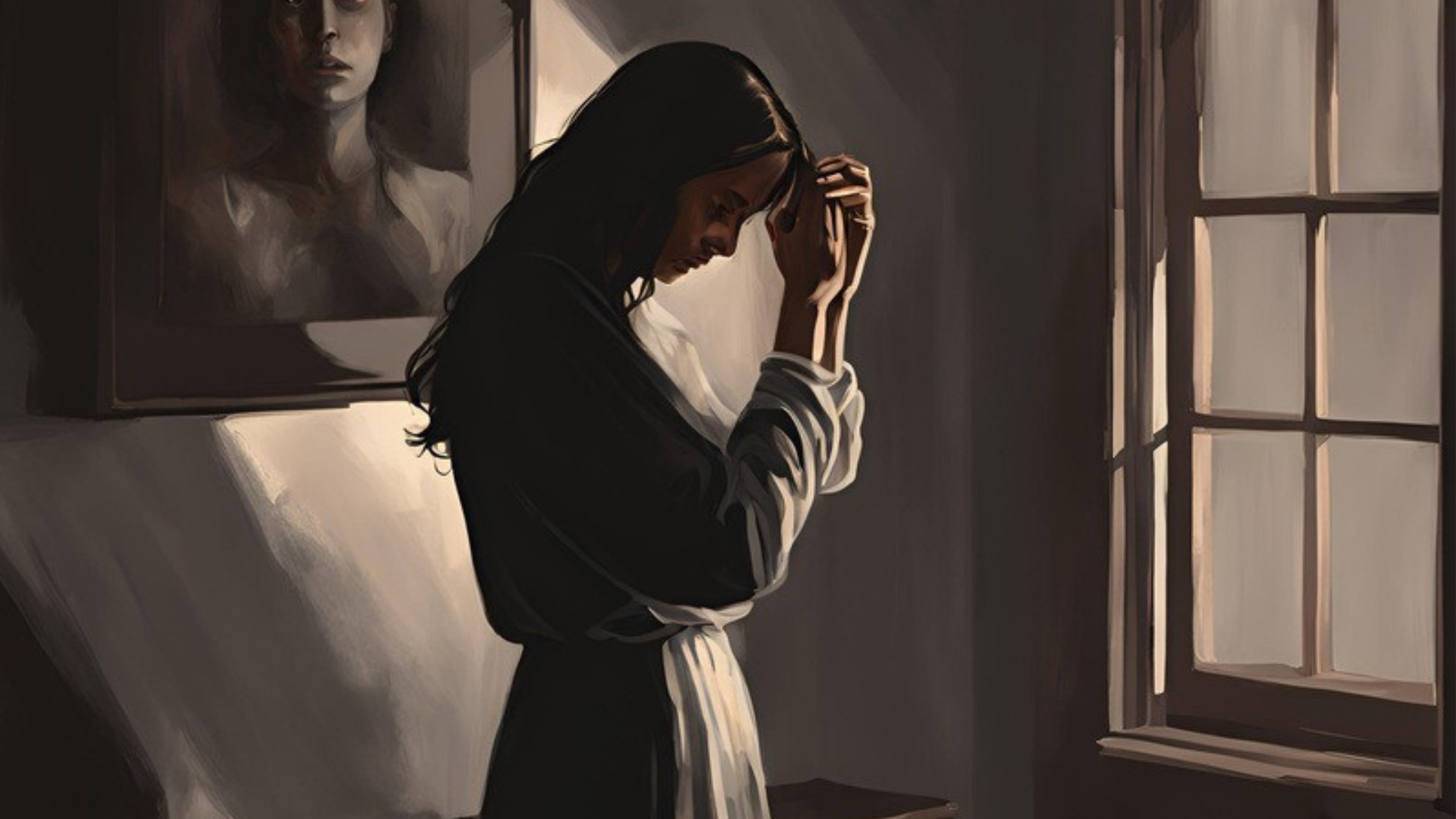
Loss touches all of us at some point, yet it’s a deeply personal experience. Over the past few months, many have faced profound changes—loss of loved ones, cherished pets, relationships, jobs, homes, or even our health. If you’re in the midst of grief right now, please know this: I see you, and I’m holding space for your healing.
Grief arrives in the wake of loss, but it rarely looks like we expect. It’s more than sadness or tears—it’s a spectrum of emotions that ebb and flow. You may have heard of the five stages of grief: denial, anger, bargaining, depression, and acceptance. What many don’t realize is that these stages aren’t linear; there’s no order, timeline, or clear roadmap. No two journeys are the same.
Whether you feel numb, angry, confused, or simply exhausted, all of it is valid. Grief can feel like waves crashing when you least expect it, or a heavy fog that lingers, slowing your steps. It’s unpredictable and all-encompassing, yet it’s also a natural part of healing, even though in the midst of it, it may not feel that way.
The Complexity of Grief
One of the hardest parts of grief is the loneliness it can bring. It’s a solitary journey in many ways—no one else can feel your pain for you—but that doesn’t mean you have to navigate it alone. Connecting with others, whether through close friends, support groups, or professionals like a coach or therapist, can provide solace, and support.
At the same time, we also need periods of solitude to process loss. It’s a delicate balance: creating space to feel without completely withdrawing. If you find yourself retreating from the world, remember to also connect.
How to Support Yourself Through Grief
Grieving requires tenderness—toward yourself and your process, and a deepening into self-care. Here are a few ways to care for your mind, body, and spirit as you move through this challenging time:
- Allow Your Feelings
Grief comes with a kaleidoscope of emotions. Let them flow. Cry if you need to. Write your heart out. Scream into a pillow. Sit quietly and simply feel. Suppressing emotions can create blocks but allowing them helps you move toward healing. - Create Rituals for Letting Go
Symbolic gestures can be powerful tools for release and remembrance. Write a letter to what you’ve lost, light a candle in their honor, or express your feelings through art. These rituals help you process emotions while honoring your connection. Letting go doesn’t mean forgetting; it means making room for love to move forward with you. - Care for Your Body
Loss isn’t just emotional; it impacts your physical health too. Nourish your body with sleep, hydration, gentle movement, and wholesome foods. Even small acts of self-care are profound acts of self-love during this time. - Seek Support
Sharing your grief lightens its load. Whether you lean on a friend, join a support group, or work with a coach or counselor, having someone walk beside you makes the journey less lonely. There’s strength in being held by community. - Practice Patience
Healing is not linear. Some days you’ll feel like you’ve made progress; others may bring setbacks. Embrace the ebb and flow. Give yourself permission to grieve in your own time and in your own way.
The Light Beyond Grief
In the midst of loss, it’s easy to believe the season of grief will last forever. But with time, the sharp edges of pain soften. Sweet memories take root where sorrow once lived. Slowly, you’ll discover a new rhythm—a life that honors your loss while welcoming joy back into your heart.
Until that day, be gentle with yourself. Your grief is a testament to the love you’ve experienced. And while no one can walk this path for you, you don’t have to walk it alone.
You are held. You are seen. And you will heal.